


Grain Snippet: Barley Between Abundance and Demand
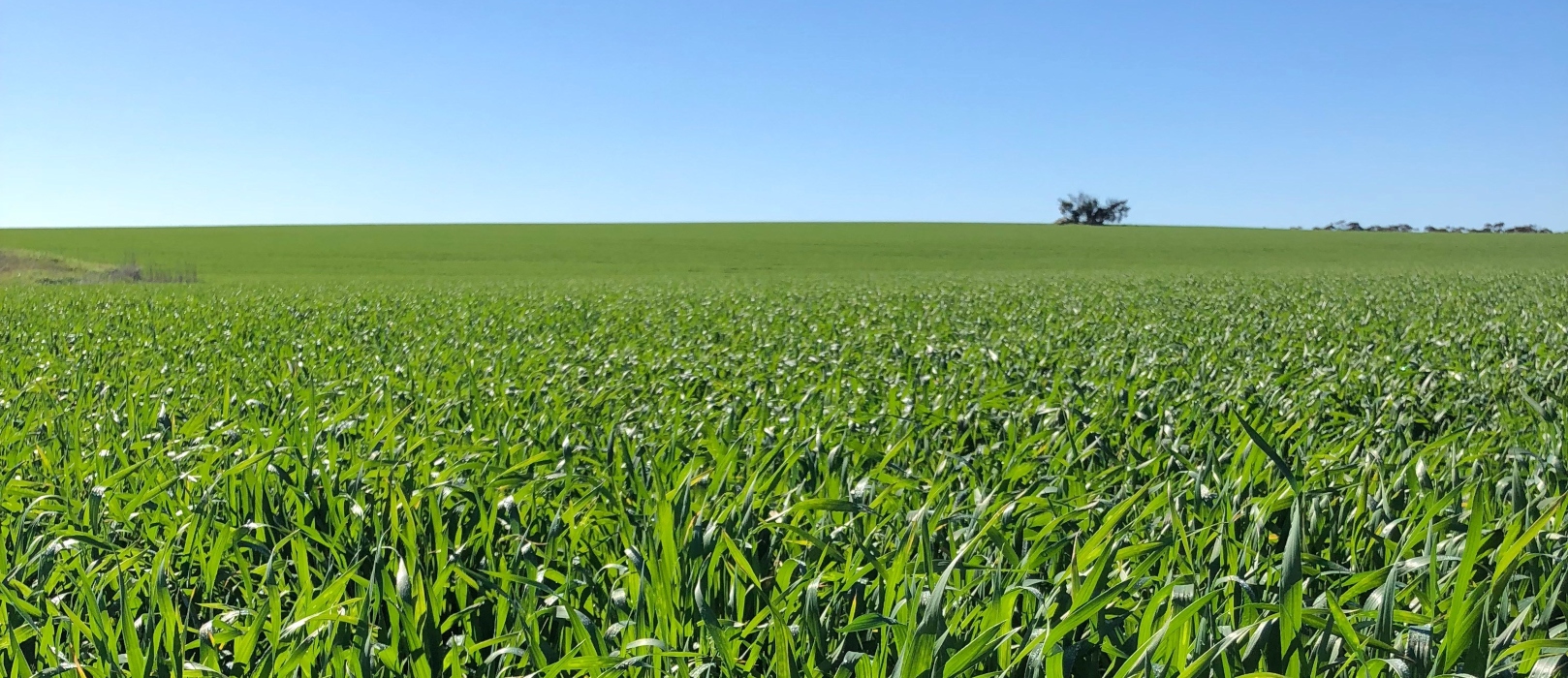
Australia is heading towards another exceptionally large barley crop, setting up a market increasingly defined by the balance between harvest pressure and export demand.
ABARES is forecasting 2026/27 Australian barley production at 16.4MMT, while USDA is higher at a record 17.1MMT. South Australia and Victoria remain among the standout regions, with SA production forecast at 2.9MMT and Victoria at 3.4MMT following strong establishment and favourable winter rainfall.
Western Australia remains the country’s largest producer at an estimated 6.8MMT, while NSW is forecast to produce around 2.9MMT. Unless frost, heat or a damaging spring finish materially changes the outlook, Australia is likely to have a very large volume of barley arriving over a relatively compressed harvest period.
That supply is already weighing on domestic values. Adelaide BAR1 prices have fallen around A$10–15/MT since late July, while delivered old-crop buying has largely dried up as feedlots and mills become well covered. New-crop buyers have also remained patient in anticipation of ample harvest supply.
Some support has come from a weaker Australian dollar, improving export returns and partially offsetting the pressure created by the larger crop.
Against that supply backdrop, China continues to provide the strongest support on the demand side. China’s 2026/27 barley import forecast has been lifted to 13.0MMT, only 0.5MMT below the previous season and above the five-year average of 11.3 MMT. China has already absorbed a substantial share of Australia’s record old-crop production, while July export data showed around 607KMT of Australian barley moving to China.
However, Chinese buying rarely arrives evenly through the season. Fresh new-crop enquiry has remained intermittent, while China also has domestic alternatives including a record domestic corn crop forecast near 307MMT and increased availability of lower-quality wheat for feed. Australian barley therefore still needs to remain competitively priced.
On that measure, Australia is well placed. In early September, South Australian barley was calculated to land into China near US$271/MT CNF, broadly in line with Kwinana near US$272/MT. This compared with Argentine corn around US$284/MT, Brazilian corn near US$298/MT and French barley around US$337/MT.
This suggests Australian barley is already carrying a substantial harvest discount and is competitively positioned to move increased supply into export channels. Export execution, however, takes time, meaning strong competitiveness does not completely remove the risk of short-term harvest pressure.
The broader feedgrain backdrop has also become more supportive. EU corn production is forecast around 50MMT, approximately 10MMT lower y/y, increasing the requirement for alternative feedgrains. Global corn stocks are also tighter than earlier expectations, providing additional underlying support to barley.
Northern Hemisphere barley supply itself remains relatively comfortable. Canada is forecast to produce around 9.7MMT, while EU barley production is estimated at 52.9MMT. However, wet Canadian harvest conditions and more difficult conditions for European spring barley have raised questions over malting quality.
For Australia, the final split between malt and feed barley will depend heavily on protein, grain size, screenings, germination and harvest weather.
The result is a two-sided outlook. A very large Australian crop is likely to keep domestic basis under pressure through harvest, but strong Chinese import demand, a weaker Australian dollar and highly competitive export pricing should provide an important outlet as the season progresses.
This is a sample only, if you would like to view the entire document and our recommendations, please contact CloudBreak to discuss becoming a member on (08) 8388 8084.