


Grain Snippet: Barley Between Abundance and Demand
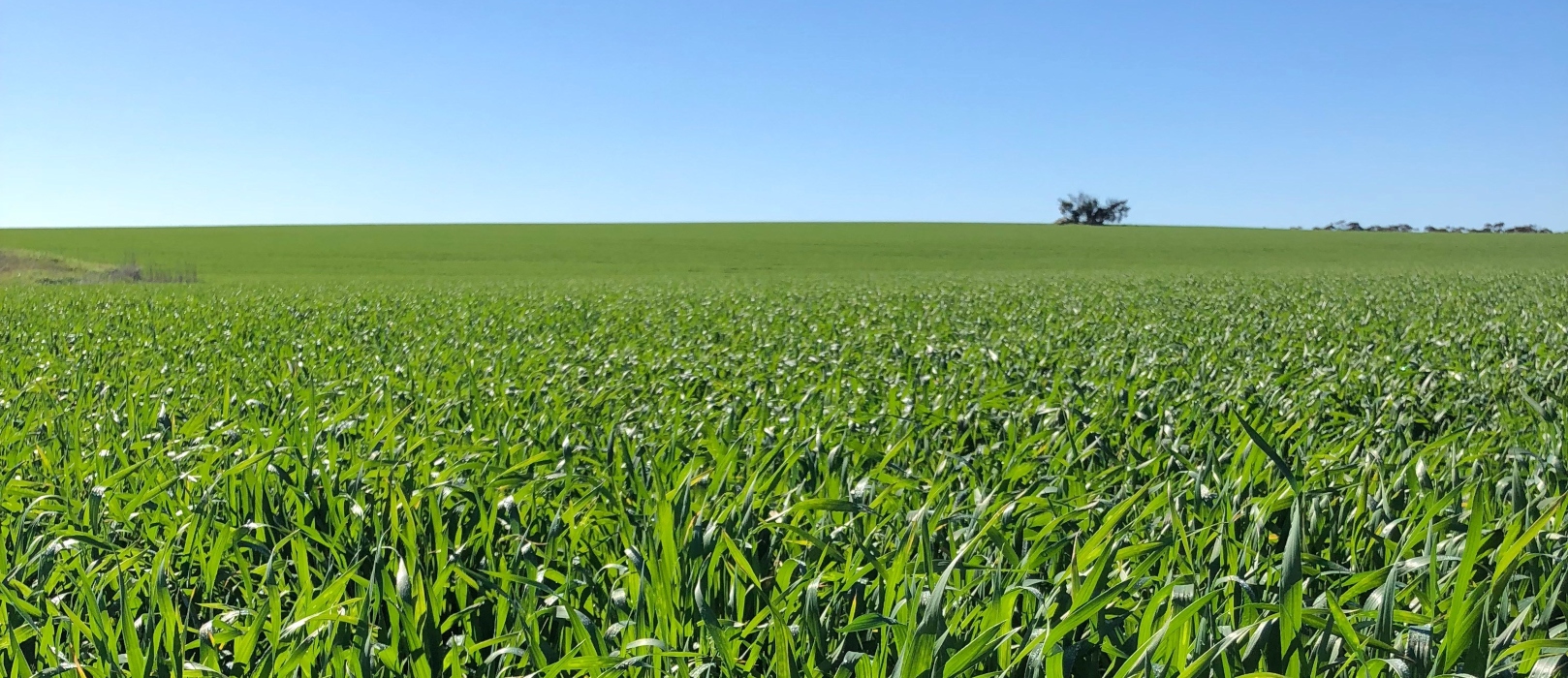
South Australia’s barley crop is heading towards spring in a considerably stronger position than appeared likely earlier in the season, with favourable autumn and winter rainfall supporting strong yield potential across much of the state.
ABARES currently forecasts SA barley area at around 880,000 Ha, up 5.4% y/y, with production of 2.18 MMT based on an average yield of 2.48 MT/Ha. Importantly, seasonal conditions have strengthened since those June estimates were released, creating scope for production to exceed current forecasts if crops negotiate spring successfully.
The production risk has also shifted. Establishment and moisture availability are no longer the primary concern across much of SA, with attention increasingly turning towards frost and the severity of the spring finish. Many crops are developmentally advanced, meaning frost through reproductive stages remains capable of materially altering final yield outcomes.
The broader Australian crop is also shaping as a solid one. ABARES currently forecasts national barley production at 14.1 MMT, down 15% from last season’s record crop but still above both the five- and ten-year averages. Strong crop potential across SA and Victoria provides a credible pathway towards production of 15 MMT or more, although conditions remain more variable through northern NSW, Queensland and parts of WA.
WA remains one of the larger variables in the national outlook. GIWA currently estimates WA barley production at around 6.11 MMT, with dry conditions reducing potential through parts of southern Kwinana, the Great Southern and Lakes Districts. Conversely, Geraldton, north-eastern Kwinana and much of Esperance remain in strong condition.
Australia also enters the new season following exceptionally strong export demand. Barley exports through 2025/26 have reached approximately 8.8 MMT, around 2.8 MMT above last year, with China accounting for close to 79% of shipments. That demand has played an important role in absorbing last season’s record production and preventing the domestic balance sheet from becoming as heavy as initially feared.
China remains central to the outlook. Its 2026/27 barley imports are currently forecast at 11.2 MMT, down from an exceptional 13.5 MMT in 2025/26 but still historically strong. Chinese buyers may, however, have greater domestic feedgrain alternatives, with a record corn crop forecast and increased availability of lower-quality wheat for feed. Greater agricultural purchases from the US could also increase competition from corn and sorghum.
Elsewhere, Canada is expected to produce around 9.2–10.0 MMT of barley, while European barley production is forecast around 51–52 MMT. European corn production has been hit harder by heat and dryness, reducing feedgrain availability and increasing import requirements.
The global corn balance is also tighter than headline production suggests. Despite another large US crop, strong export demand is drawing down projected stocks, while Black Sea disruption continues to add uncertainty around freight and export flows.
For SA barley, the outlook is therefore increasingly defined by strong local production potential against a global market that remains well supplied, but where feedgrain stocks and trade flows are tighter than they appeared earlier in the season.
This is a sample only, if you would like to view the entire document and our recommendations, please contact CloudBreak to discuss becoming a member on (08) 8388 8084.